
What is business coaching, and how can it help a business grow?
How coaching differs from consulting, which businesses benefit from it, how a coaching programme works, and what to look for when choosing a coach.
Published 3 October 2026 6 min read By Arka Company
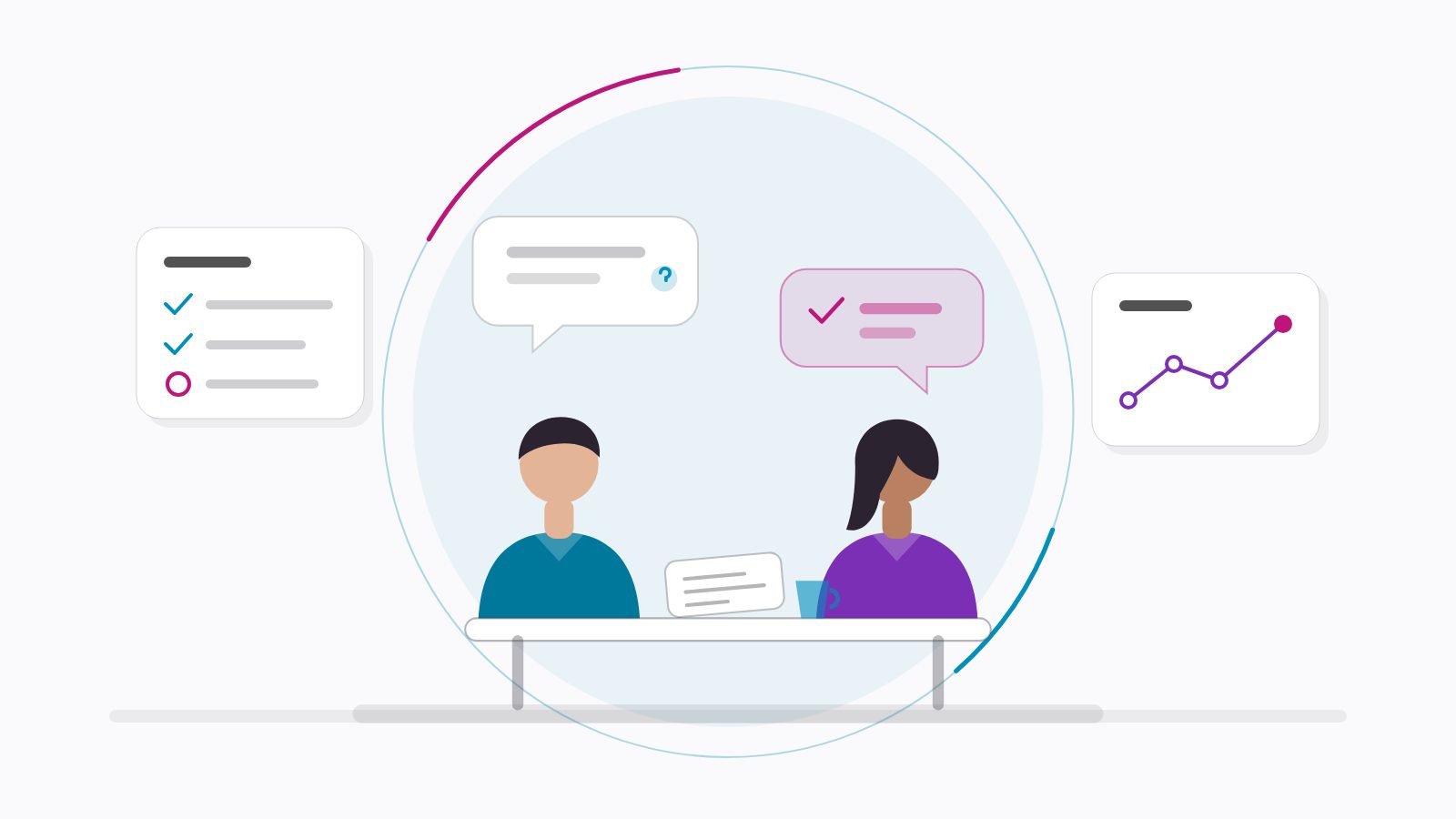
Most business managers spend their day making decisions: which customer comes first, which project to stop, whom to hire, where to spend the budget. Amid this stream of decisions, there is usually little room left for something more important: thinking about the way decisions are made in the first place.
Business coaching is designed for exactly that space. In this article we explain what business coaching is, how it differs from consulting, which businesses it suits, how a coaching programme unfolds, and what to look for when choosing a coach.
What is business coaching?
Business coaching is a structured working relationship between a manager and a coach, with the aim of helping the manager clarify goals, make better decisions and carry them out consistently. Its defining feature is that the answer comes from the manager. Through precise questions, structured sessions and follow-up on commitments, the coach brings order to the process of thinking and doing.
Put simply, instead of saying “do this”, a coach helps the manager see for themselves what needs to be done, why it has not been done so far, and what is standing in the way.
Coaching versus consulting
Coaching and consulting are often confused, yet they play different roles and each is useful in particular situations.
- In consulting, an expert analyses the situation and proposes a solution. The consultant brings their specialist knowledge to the business — for example, how an advertising campaign should be designed or how the pricing structure should change.
- In coaching, the answer remains the manager’s responsibility. A coach is not necessarily an expert in your industry, and is not meant to be; their expertise lies in structuring thinking, asking the right questions and following up.
If your problem is a lack of technical knowledge in a specific area, consulting is the better choice. If the knowledge is there but decisions keep being postponed, priorities keep shifting or execution stalls halfway, coaching will probably help more. In many cases, the two complement each other.
Which businesses need coaching?
Coaching is not limited to a particular size or industry, but it has the greatest effect in a few situations:
- When every decision passes through one person. In many small and medium-sized businesses, the owner is also the manager, the salesperson and the person who solves every problem. Coaching helps that person step back from the daily routine and think about the overall direction.
- During growth. Methods that worked for a five-person team do not work for a larger one. This stage calls for a change in how the business is managed, and coaching gives that change structure.
- When moving from doing to managing. Founders who until yesterday did everything themselves have to learn to delegate and to trust their team.
- Before a major decision. Entering a new market, changing the business model or rebuilding the team are decisions worth making with a clear head.
The benefits of business coaching
The value of coaching shows above all in the quality of decision-making and execution. Its main benefits are:
- Clear goals and priorities. Writing goals down and reviewing them regularly exposes conflicts between priorities and makes it clear which work really matters.
- Timely decisions. Many decisions are postponed not because they are hard, but because there is no time or space to think. Coaching sessions provide that space.
- Follow-up and accountability. When a commitment will be discussed at the next session, it is more likely to be carried out.
- Growing management skill. Unlike consulting, which provides ready answers, coaching strengthens the manager’s own ability to think and decide — a skill that remains after the programme ends.
- An impartial outside view. A coach has no personal stake in your business and can ask questions that colleagues or family members usually do not.
To be honest: coaching does not work miracles, and its results depend on the manager’s own commitment. Anyone who promises a specific increase in sales or profit as a certain outcome of coaching is promising something that is not in their power.
The business coaching process
The details differ from programme to programme, but a coaching programme usually goes through these stages:
- Introductory session. The coach and manager review the current situation, expectations and main topics. This session should make clear whether coaching is actually the right answer to the current need.
- Setting programme goals. Goals are written down, and it is agreed how progress will be measured.
- Regular sessions. Each session begins by reviewing the previous session’s commitments, focuses on one or two specific topics and ends with new commitments.
- Mid-programme review. A check on whether the path is right or the goals need adjusting.
- Wrap-up. What has changed is reviewed, and the way forward — with or without the coach — is planned.
The key point is that the real work happens between sessions. A coaching session is a place for thinking and planning; execution happens in between, and is done by the manager.
How to choose a business coach
Choosing the right coach matters a great deal. Before starting, keep these points in mind:
- Ask how they work. A coach should be able to explain clearly how sessions are run, how goals are defined and how progress is tracked.
- Be wary of big promises. A guaranteed percentage of growth or profit is not a good sign. An honest coach talks about the limits of their work.
- Check the line between coaching and consulting. If a coach keeps offering ready-made solutions, they are in practice consulting. That is not necessarily bad, but you should know what you are getting.
- Pay attention to confidentiality. Coaching sessions involve sensitive business matters. Make sure the confidentiality framework is clear.
- Use the introductory session. Trust and ease in conversation are the main condition for an effective working relationship, and they usually become clear in the very first session.
In summary
Business coaching is a tool for managers who have the knowledge and authority to decide, but need space, structure and follow-up to use them well. It does not replace specialist consulting and does not guarantee results; but done properly, it improves the quality of decision-making and execution in a lasting way.
If you feel that important decisions in your business keep getting postponed, or priorities change every week, an introductory session can show whether coaching is right for you.
FAQ
How is business coaching different from business consulting?
How long does a business coaching programme usually last?
Does coaching guarantee results?
Is coaching suitable for a small business?
Are coaching sessions held in person or online?
Tags: Business coachingManagementDecision-making
Let us talk about your business
If this article speaks to where your business is, a no-commitment first conversation is a good place to start.
Start a conversation